A transit elevator is a public elevator in the hardest sense. It never closes, it is inspected constantly, it is used by people who do not know the building, and it cannot be taken out of service because the communication system needs work. 96 MTA stations completed as of 2025 is what that looks like when it goes right.
There is no maintenance window where the station closes. Every installation on the list below went into a station serving passengers, scheduled around service rather than around us. Where the car operating panel can be opened, the standard EAV unit installs into it. Where it cannot, the surface mount version installs without touching the COP.
Someone presses the call button in a stopped elevator and the operator asks where they are. On a transit system the passenger usually cannot answer usefully. They know roughly which station, maybe which platform. Every elevator is named individually in the platform, and the call arrives already identified with its location shown on a map, so the operator knows which car in which station before the passenger finishes the first sentence.
Emergency Communication Path Supervision, or ECPS. Verifying elevator phones used to mean sending someone to every car to press the call button and wait for an answer. Across a network this size that is weeks of work, done infrequently, and it only proves the phone worked at the moment somebody stood in front of it.
LiftComm supervises the communication path automatically. Every elevator, every 30 seconds. If a path fails you get an alert immediately, not at the next inspection and not when a passenger is already stuck in the car.
Where configured for PSAP operation, the platform can support elevator emergency calls and 911 within the same answering environment rather than through two disconnected processes. A call can be answered, assessed and escalated without the passenger being transferred or dropped between systems.
Elevator phones are rarely the only emergency communication on a transit system. Help points on platforms, assistance points at fare gates, call boxes in parking structures. These are often separate systems with separate answering arrangements. They can be consolidated onto one platform, so one team answers and monitors all of them.
ASME A17.1-2019 introduced a new generation of emergency communication requirements, including provisions addressing passengers who cannot communicate by voice. Where the 2019 or later requirements have been adopted by the applicable jurisdiction, voice-only communication is no longer sufficient for affected installations.
The MTA network runs most of the LiftComm line, across 96 stations, on the subway, the Long Island Rail Road and Staten Island. A station is not one phone. It is the phone in the car, the landing intercom, the answering point, and the PBX behind it.
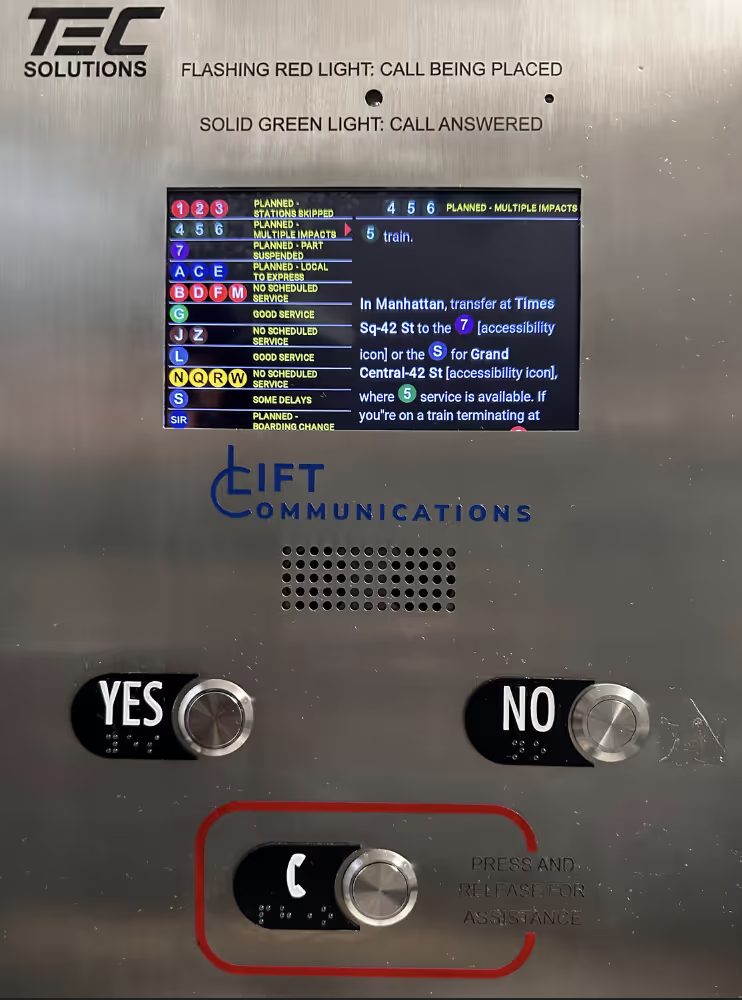 EAV Elevator Phone Series
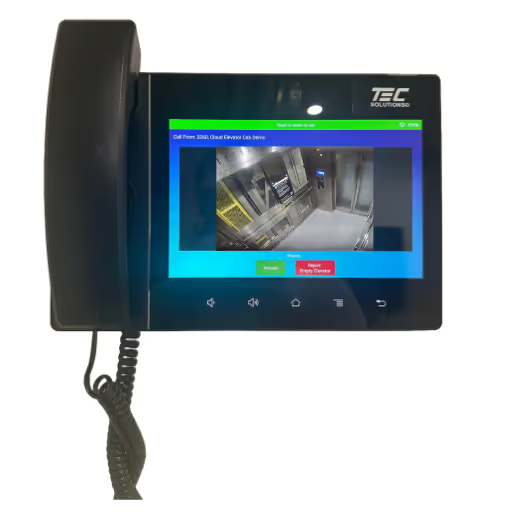 Security Desk Phone & Fire Command Phone
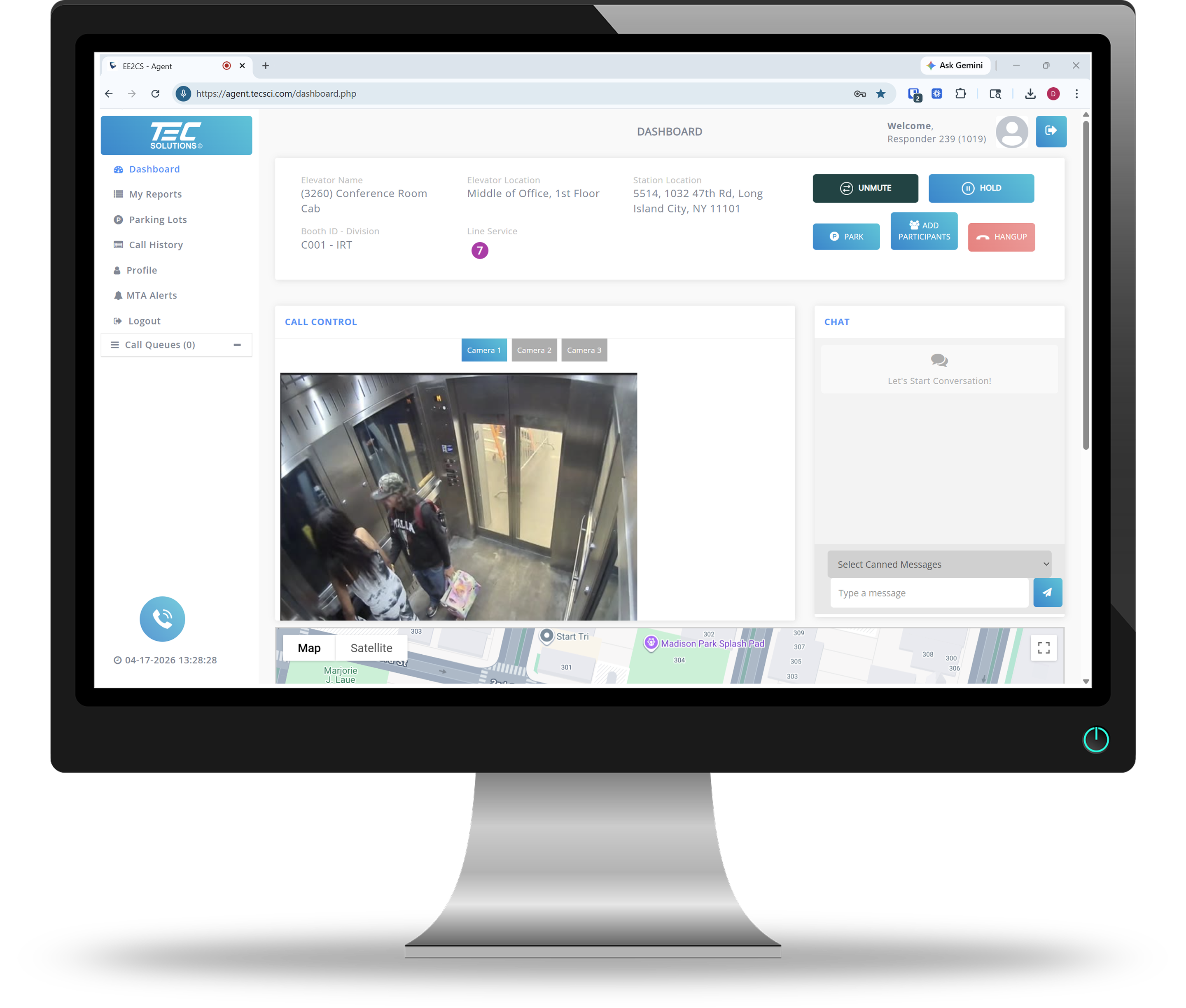 Call Center Agent Panel
 Elevator Landing Intercom
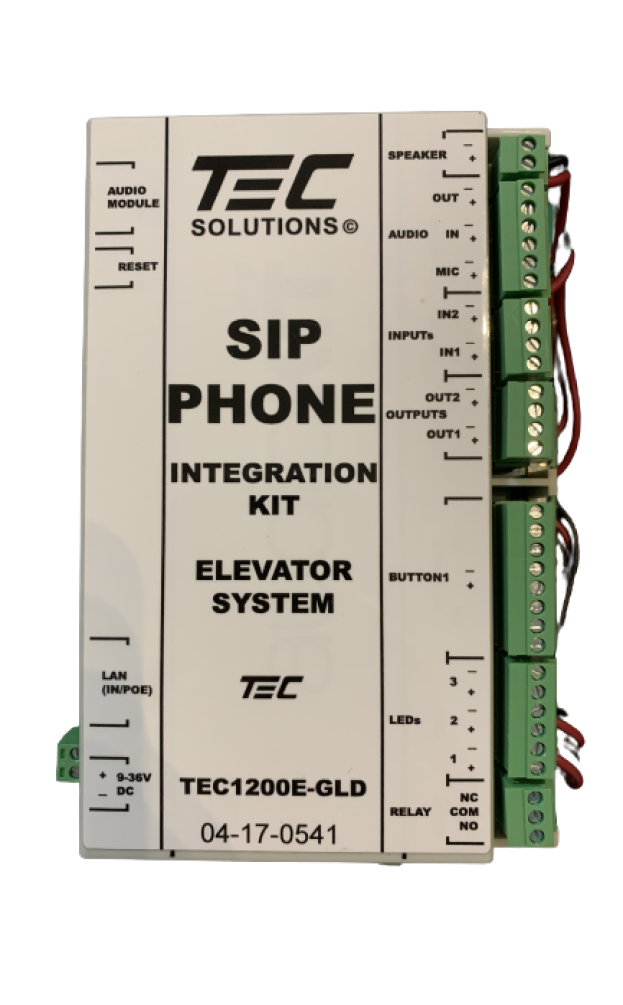
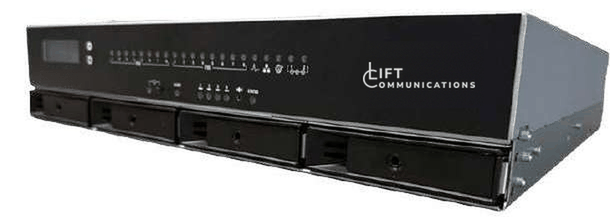 On-Premise PBX & Emergency Elevator Call System
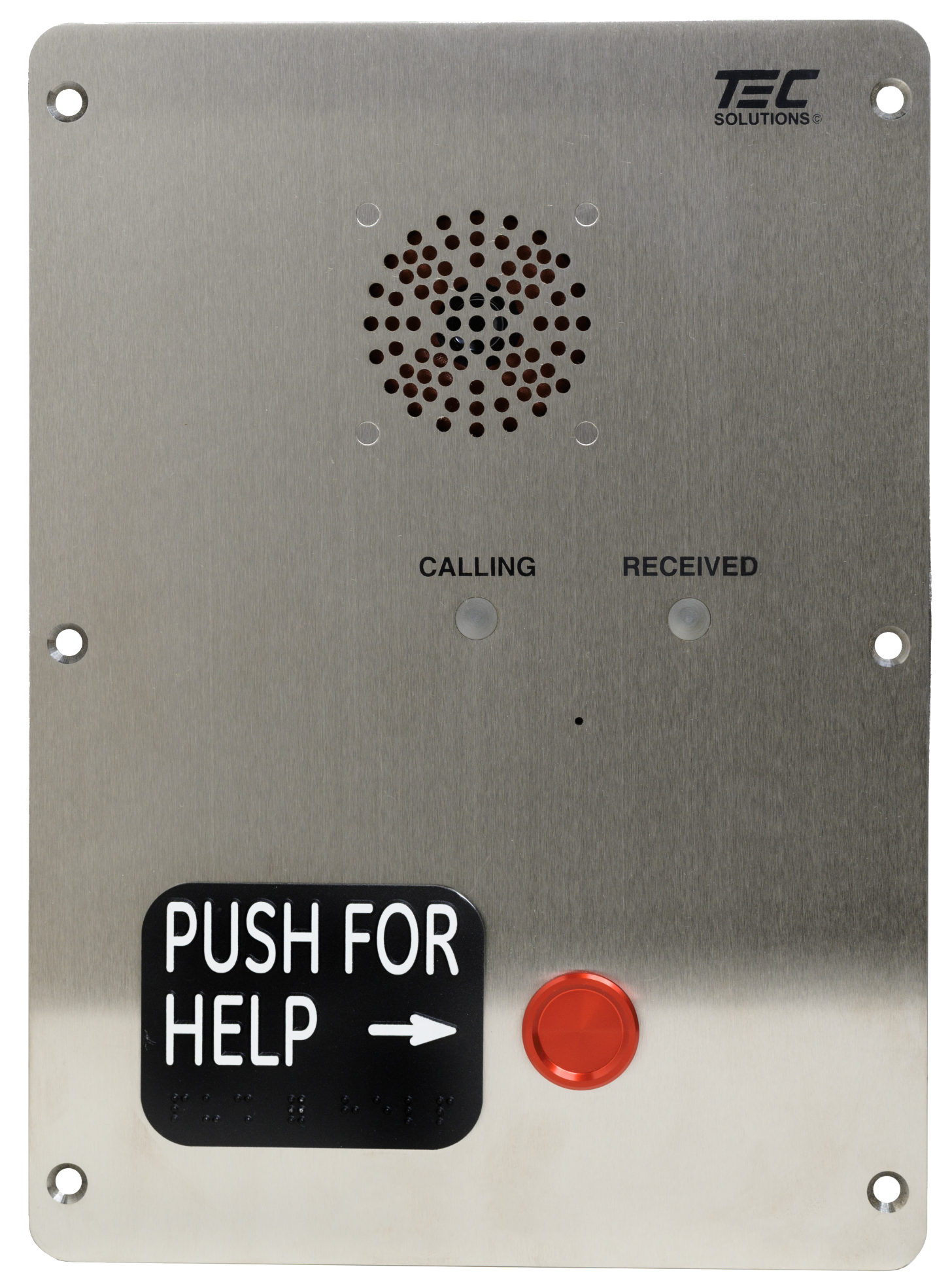 Area of Refuge Phone
96 MTA stations completed as of 2025, most recent first. Where two years are shown, LiftComm has completed separate work at that station on more than one occasion.
| Station | Year |
|---|---|
| 2025 | |
| 125th Street | 2025 |
| 149th Grand Concourse | 2025 |
| 21st St. Queensbridge | 2025 |
| 42nd Street Times Square | 2025 |
| 59th Street - Columbus Circle | 2025 |
| 5th Ave. and 53rd Street | 2025 |
| 66th Street | 2025 |
| 95th St. Bay Ridge | 2025 |
| Auburndale Station | 2025 |
| Babylon Station | 2025 |
| Borough Hall | 2025 |
| Copiague Station | 2025 |
| Fordham Road | 2025 |
| Franklin Ave. | 2025 |
| Laurelton Station | 2025 |
| Locust Manor | 2025 |
| Mosholu Parkway | 2025 |
| Park Place | 2025 |
| Parkchester | 2025 |
| Queens Plaza | 2025 |
| Rockaway Blvd. | 2025 |
| Roosevelt Ave. Jackson Heights | 2025 |
| Sheepshead Bay | 2025 |
| Spring Street | 2025 |
| St. Albans Station | 2025 |
| Valley Stream | 2025 |
| Whitehall South Ferry | 2025 |
| 2024 | |
| 14th Street & 8th Avenue | 2024 |
| 14th Street - Union Square | 2020, 2024 |
| 175th Street | 2024 |
| 181st Street | 2024 |
| 34th St. & Penn Station | 2024 |
| 3rd Ave. 149th St. | 2024 |
| 68th St. Hunter College | 2024 |
| 6th Ave. 14th Street | 2024 |
| 74th Street | 2024 |
| 7th Avenue 14th Street | 2024 |
| Amityville Station | 2024 |
| Euclid Ave. | 2024 |
| Lindenhurst Station | 2024 |
| Marcy Ave. | 2024 |
| Massapequa Park Station | 2024 |
| Northern Boulevard | 2024 |
| Queensboro Plaza | 2024 |
| West 4th Street | 2024 |
| Westchester Square | 2024 |
| Woodhaven Blvd. | 2024 |
| 2023 | |
| 207th Street | 2023 |
| Beach 67th St. | 2023 |
| Bowling Green | 2023 |
| Court Square | 2023 |
| Court Street | 2023 |
| DeKalb Ave. | 2023 |
| Dyckman | 2023 |
| East 149th Street | 2023 |
| Flushing Avenue | 2023 |
| Grand Central | 2023 |
| Grand Street | 2023 |
| High Street | 2023 |
| Intervale | 2023 |
| Lexington & 53rd Street | 2023 |
| Lorimer & Metropolitan | 2023 |
| Macy's Hoyt Street | 2023 |
| New Dorp | 2023 |
| Roosevelt Island | 2023 |
| Tremont Station | 2023 |
| 2022 | |
| Clark Street | 2022 |
| Elmont | 2022 |
| Hillside | 2022 |
| Livonia Avenue | 2022 |
| Staten Island Ferry | 2022 |
| Sutphin Blvd. | 2022 |
| 2021 | |
| 170th Street Jerome Ave. | 2021 |
| 190th Street | 2021 |
| 2nd Avenue | 2021 |
| Avenue H | 2021 |
| Church Ave. | 2021 |
| Flatbush | 2021 |
| Jamaica Parsons | 2021 |
| Main Street | 2021 |
| 2020 | |
| 191st Street | 2020 |
| Astoria Blvd. | 2020 |
| Bedford Park | 2020 |
| Canarsie / Avenue B | 2020 |
| Canarsie/1st Ave. | 2020 |
| Canarsie/Bedford Ave. | 2020 |
| Chambers Street | 2020 |
| Eastern Parkway | 2020 |
| Far Rockaway | 2020 |
| Greenpoint Ave. | 2020 |
| Gun Hill | 2020 |
| Maspeth | 2020 |
| 2019 | |
| 168th Street | 2019 |
| 57th Street | 2019 |
| 86th Street & Lexington | 2019 |
| Sea Beach | 2019 |
Every installation on this list went into a live station serving passengers, under public procurement and public inspection, to a standard that does not allow for equipment that works most of the time.
If you are responsible for elevator communication on a transit system, a rail network, an airport, or any facility with the same combination of continuous operation and heavy inspection, we will walk through how this was done.
Book a callLeave us your information and we will get back to you as soon as possible!


Book a personalized demo with our team to explore how our services can meet your unique business needs.
