Read more about how Lift Communications helps serve our community
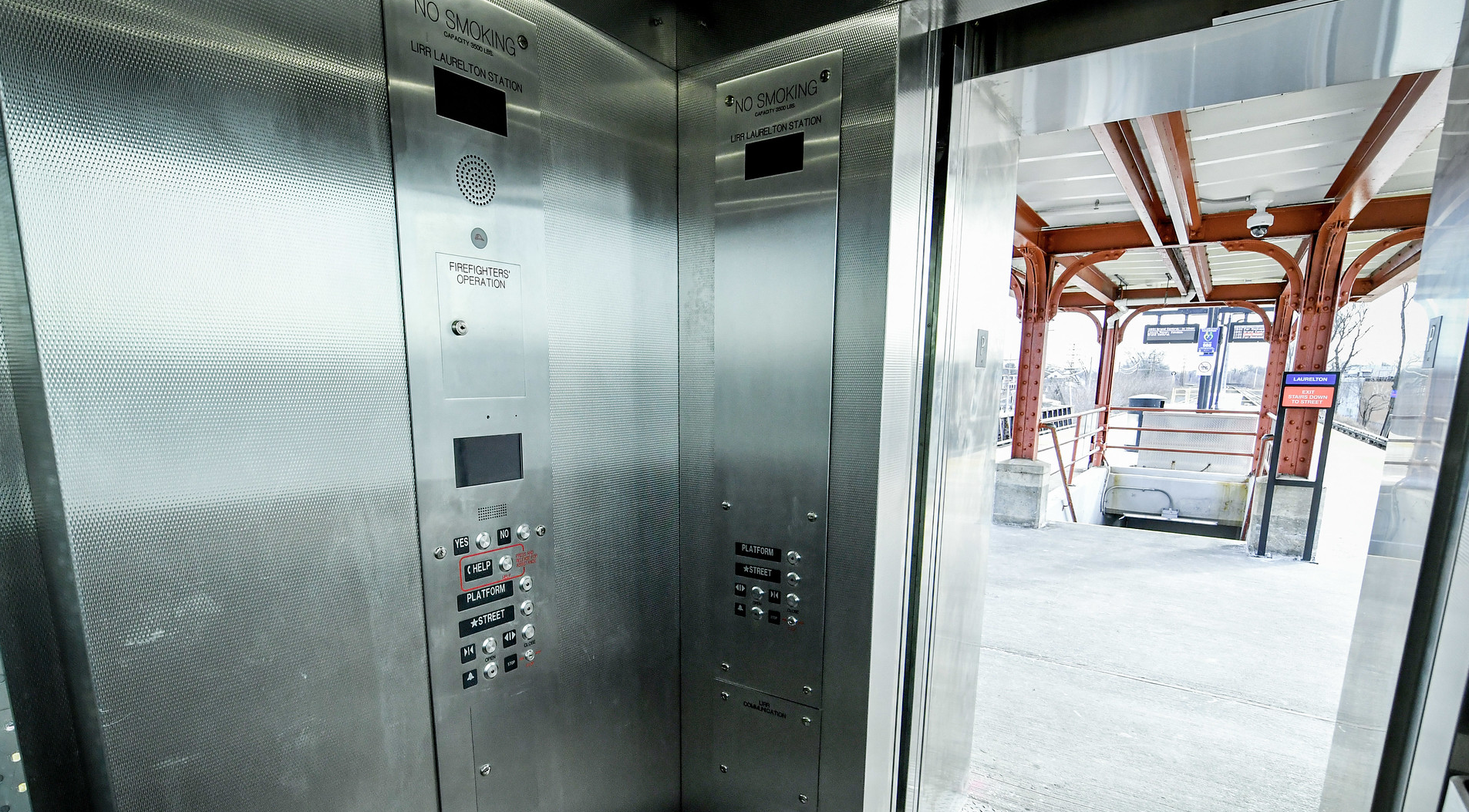
Two way emergency communication that serves all passengers, including people with hearing, vision, or speech impairments. That means voice and visual or text interaction that confirms the connection worked.
Critical insight: Accessibility is not an add on. The text and visual path is part of compliance.
The EAV Series is built for A17.1 2019 and 2022 in real operating conditions. It provides two way voice, real time text, and visual feedback so riders can see that help is on the way.
Inclusive features in every unit: voice and text in the same device, YES and NO inputs for riders who cannot speak or hear, clear visual indicators, and battery backup for outages.
Emergency communication stays inside the agency network with LiftComm’s UCM on prem PBX. Calls and data do not traverse third party cloud systems. That keeps data in house, lets the owner control network access, and makes behavior predictable during disruptions. It also makes compliance easier to document because the architecture is owned, not outsourced.
Critical insight: In transit, security policy and code compliance both affect life safety. Treat both as core requirements.
At Laurelton Station the upgrade bundle includes a new elevator and machine room, electrical and communications rooms, weather rated help point kiosks, CCTV, and new signage. That environment supports compliant emergency communication without relying on a public cloud path. https://www.mta.info/press-release/mta-long-island-rail-road-unveils-upgraded-laurelton-station
Standardize the cab endpoint with the EAV Series talk and text phone.
Anchor communications to the agency on prem PBX so calls and data stay inside owner controlled systems.
Verify the voice and text path and the power loss behavior, then hand off acceptance documentation.
Requirement in A17.1 2019 → LiftComm EAV → Rider experience
Two way communication → Voice plus real time text → Text exchange and audio with confirmation.
Visual confirmation → On screen visual feedback → Clear indicator that help is on the way.
Inclusive input → YES and NO prompts → Simple choices for riders who cannot speak or hear.
Power continuity → Battery backup → Communication during outages.
Path control → On prem PBX → Calls stay inside the agency network.
Modernizations now bundle communication and monitoring with mechanical work. Code makes talk and text accessibility central. Public owners want on prem control rather than cloud dependency.
What LiftComm is shipping on MTA projects
EAV Series talk and text cab phone that aligns with A17.1 2019 and 2022.
UCM on prem PBX so calls and data remain inside the agency network.
Acceptance and power loss verification with documentation for the owner.
Ready to scope your next public sector modernization? Contact LiftComm.
Leave us your information and we will get back to you as soon as possible!


Book a personalized demo with our team to explore how our services can meet your unique business needs.
