Read more about how Lift Communications helps serve our community
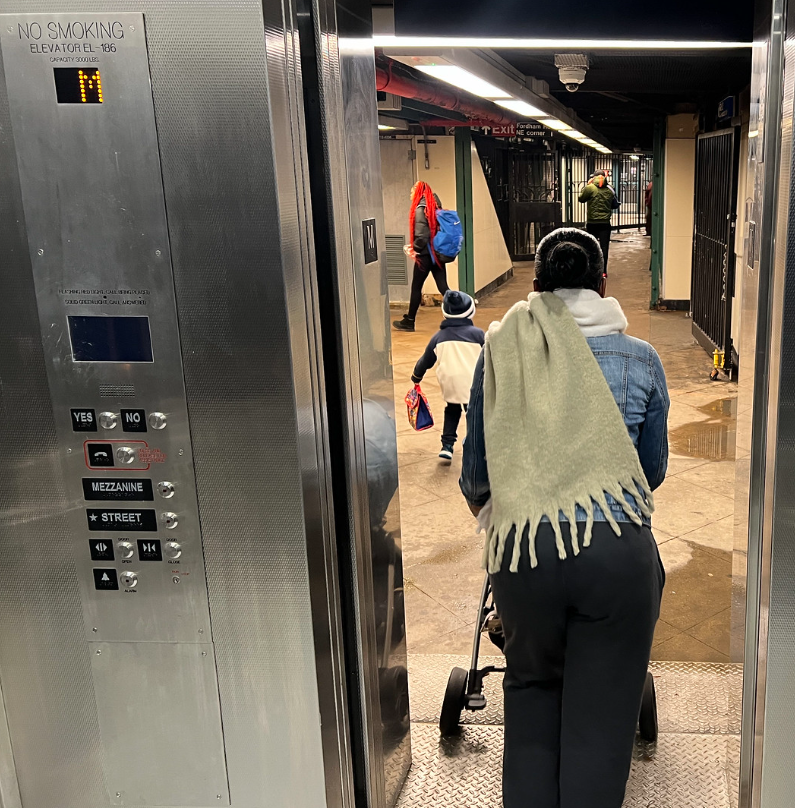
When the MTA puts newly modernized elevators back into service, riders get a better experience, and the elevator industry gets a clear reminder of what “state of good repair” really means. It is not only the cab, the controller, and the door operator. It is the emergency communication system and the security layer behind it.
LiftComm supports the MTA’s elevator modernization work by delivering code aligned, security first elevator communication using an on premises architecture. Our approach is built for high traffic transit environments where uptime, compliance, and cybersecurity are non negotiable.
In the MTA’s latest Queens and Bronx elevator openings, modernization scope includes upgrades to the intercom system, remote monitoring equipment, and cameras to enhance security and improve response when an elevator goes out of service. LiftComm’s platform is built for exactly that mission.
Our role is straightforward.
• Provide inclusive emergency communication inside the cab.
• Keep communications secure inside the agency network.
• Support modern monitoring and faster incident response.
ASME A17.1 2019 and 2022 requirements raise the bar for elevator emergency communications. The LiftComm EAV Series is our talk and text phone designed for these standards in real operating conditions. It delivers two way voice and real time text with visual feedback so riders can confirm that help is on the way.
For elevator contractors, consultants, and operators, this means fewer moving parts and fewer weak links. One hardened endpoint handles what code expects, including accessibility driven communication needs.
Transit agencies do not want elevator emergency calls and passenger data routed through third party cloud infrastructure. LiftComm supports the MTA with the UCM on premises PBX server, keeping communication inside agency controlled systems.
On premises hosting supports what transit security teams care about most.
• Data stays in house.
• Network access is controlled by the owner.
• System behavior is predictable during disruptions.
• Compliance is easier to document because the architecture is owned, not outsourced.
Modern elevator projects increasingly include camera and monitoring upgrades. That is good. It also expands the cybersecurity surface area. LiftComm’s approach prioritizes secure communications and controlled access so the emergency phone does not become an easy entry point into a critical network.
In a system as complex as the NYC subway, “secure enough” is not a plan. LiftComm values the client’s security requirements as much as code compliance, because in transit, both are life safety issues.
These projects show where the industry is headed.
• Modernizations now include communication and monitoring upgrades, not just mechanical replacement.
• Code is pushing talk and text accessibility into the center of every job.
• Owners are demanding on premises control, not cloud dependency.
LiftComm helps contractors and owners meet that reality with the EAV Series talk and text phone and the UCM on premises PBX server. It is a code ready platform that respects security policy, supports accessible communication, and scales across large portfolios.
If you are modernizing elevators in transit, healthcare, campuses, or any high security environment, LiftComm is built to meet ASME A17.1 2019 and 2022 requirements with the control your client expects.
Leave us your information and we will get back to you as soon as possible!


Book a personalized demo with our team to explore how our services can meet your unique business needs.
